
Photo: cesar.ruiz, CC BY-SA 3.0, via Wikimedia Commons

Seville packs a remarkable amount into a walkable city centre: a Moorish-style royal palace, one of the largest Gothic cathedrals in the world, orange-tree squares, tiled riverside neighbourhoods and some of the best tapas in Spain. This guide covers the experiences most worth your time, with practical notes on booking and timing so you spend less time queuing and more time enjoying the city.
Opening hours and ticket rules change, so check the official website linked for each place before you go.
The big three
1. Real Alcázar
The Royal Alcázar is still a working royal residence, and the oldest in use in Europe. Its palaces mix Islamic, Gothic and Renaissance styles, and the highlight for most visitors is the Palacio de Don Pedro, with its carved stucco, tiled walls and the Patio de las Doncellas. Leave time for the gardens: fountains, orange trees, peacocks and quiet corners that feel miles from the crowds outside.
Tip: entry is by timed ticket and popular slots sell out, especially in spring and around Easter. Book on the official site, alcazarsevilla.org, a few weeks ahead in high season. Allow at least two to three hours.
2. Seville Cathedral and the Giralda
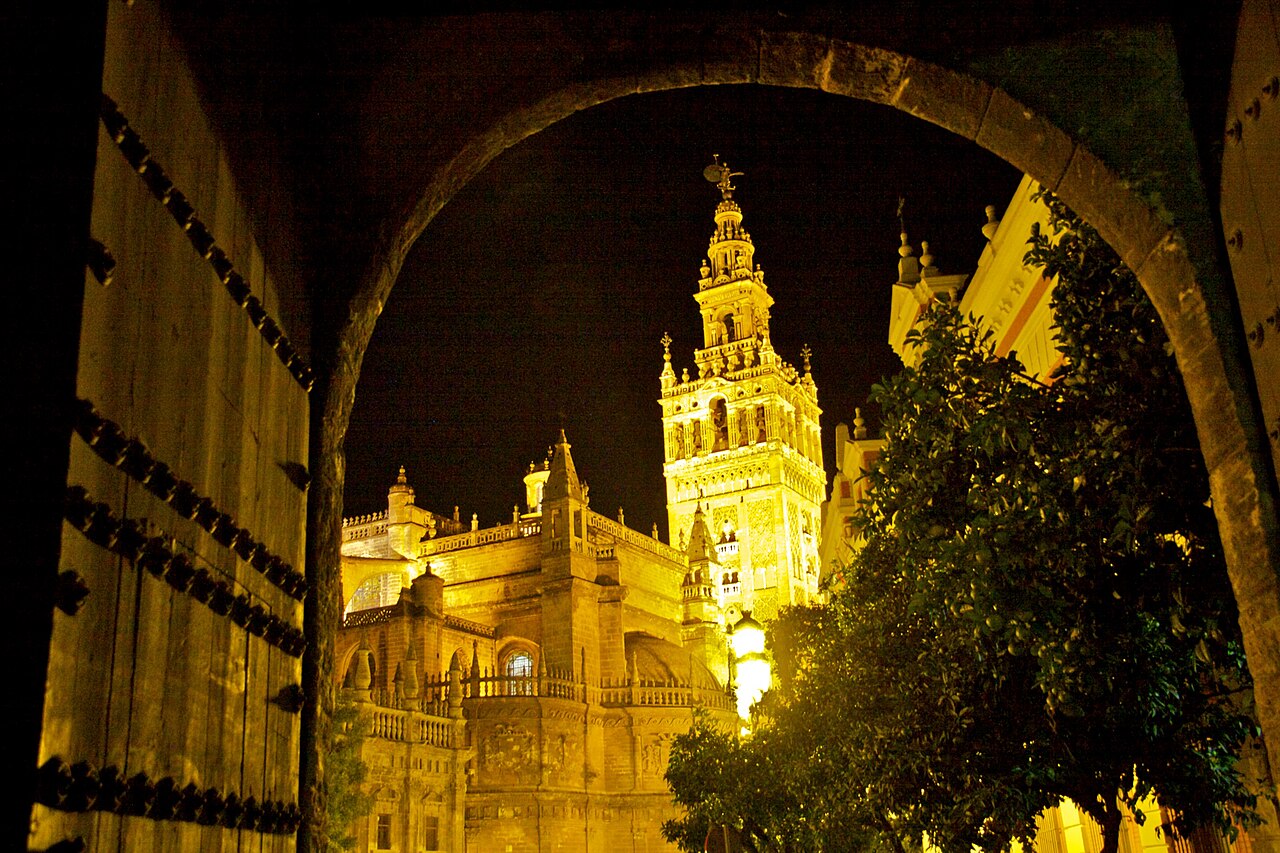
Built on the site of the city’s great mosque, the cathedral is vast: a forest of columns, a dazzling gilded altarpiece and the monument holding the remains attributed to Christopher Columbus. The visit includes the Giralda, the former minaret turned bell tower. Instead of stairs, it has a series of ramps, wide enough for a rider on horseback, which make the climb surprisingly gentle. The views over the rooftops are worth every step.
Tip: buy tickets online on the official site, catedraldesevilla.es, and enter at your booked time. A visit takes around 75 minutes. The cathedral also offers a limited number of free visits on some weekday afternoons, which must be reserved online in advance.
3. Plaza de España and María Luisa Park
Built for the 1929 Ibero-American Exposition, Plaza de España is a huge semicircle of brick, marble and painted tiles, with a canal you can cross by little bridges or explore by rowing boat. Along the walls, tiled alcoves represent each Spanish province. It is free to visit and spectacular at any hour, but the light is best early in the morning or in the late afternoon. Next door, María Luisa Park is the city’s green heart, ideal for a shady walk. Read our full Plaza de España guide.
Neighbourhoods to wander
4. Get lost in Santa Cruz
The old Jewish quarter beside the Alcázar is a maze of narrow lanes, whitewashed houses and tiny squares. Put the map away for an hour and wander: look out for Plaza de Santa Cruz, the Callejón del Agua along the old Alcázar wall, and Plaza de Doña Elvira. Mornings are calmest, before tour groups arrive.
5. Cross the river to Triana
Across the Isabel II bridge, Triana has its own proud identity, as the historic home of potters, sailors and flamenco. Start at the Mercado de Triana, built over the remains of a medieval castle, then browse the ceramics workshops around Calle Alfarería and finish with a drink along Calle Betis, looking back across the river at the city. See our guide to the best tapas in Triana.
6. Explore La Macarena and the Alameda
North of the centre, La Macarena feels more local, with stretches of the old city walls and the Basílica de la Macarena, home to one of the most revered images of Semana Santa. Nearby, the Alameda de Hércules is a long, lively square lined with bars and terraces that fills up in the evenings.
Culture and evenings
7. See live flamenco
Seville is one of the heartlands of flamenco, and seeing it live is a highlight of any trip. Choose between a tablao (a dedicated venue with a polished, professional show), a smaller cultural centre with an intimate performance, or a bar in Triana where the music can happen more spontaneously. Shows usually last about an hour, and the best seats in small venues go quickly, so book ahead.
8. Watch the sunset from the Setas
The Metropol Parasol, known to everyone as Las Setas (the mushrooms), is a giant wooden canopy over Plaza de la Encarnación. A walkway winds across the top, giving one of the best panoramas in the city. Go at sunset, when the old town turns gold, and look underneath for the Roman remains in the Antiquarium.
9. Go on a tapas crawl
In Seville, eating is a moving activity. Order one or two tapas and a drink in each bar, then move on. Try espinacas con garbanzos (spinach with chickpeas), salmorejo (a thick, chilled tomato soup), pringá, fried fish and local cheeses. Locals eat late: lunch from around 14:00 and dinner from 21:00, so plan accordingly.
10. Visit the Museo de Bellas Artes
Housed in a former convent, the Fine Arts Museum holds one of Spain’s most important collections of Golden Age painting, including works by Murillo and Zurbarán, both closely linked to Seville. It is rarely crowded, and the cloisters alone are worth seeing.
Palaces and hidden gems
11. Casa de Pilatos
A noble palace blending Mudéjar, Gothic and Renaissance styles, with superb tiles, a peaceful main courtyard and lovely gardens. It feels like a smaller, quieter Alcázar and is a good choice if you cannot get Alcázar tickets.
12. Palacio de las Dueñas
Owned by the House of Alba, this palace combines elegant courtyards, gardens and an art collection, along with personal belongings of the famous Duchess of Alba.
13. Torre del Oro and the river
The 13th-century Golden Tower once guarded the port that made Seville rich from trade with the Americas. Walk the riverside promenade from the tower towards Triana, or take a sightseeing boat along the Guadalquivir for a different view of the city.
14. Archivo de Indias
Between the cathedral and the Alcázar, this elegant Renaissance building holds the archives of Spain’s empire in the Americas. Its marble staircase and long galleries make a calm, quick visit in the middle of the busiest part of town.
15. Take a day trip
Seville is a great base for exploring Andalusia. The Roman ruins of Itálica are just outside the city, Carmona makes an easy half-day, and fast trains reach Córdoba and its Mezquita in under an hour. Granada, Ronda, Cádiz and Jerez all work as full-day trips.
When to go: festivals and seasons
- Semana Santa (Holy Week): processions fill the streets day and night in the week before Easter. It is unforgettable, but very busy, and hotel prices rise sharply.
- Feria de Abril: a week of flamenco dresses, horses, music and dancing in the fairground’s casetas (marquees), usually two weeks after Easter.
- Spring and autumn: the most comfortable weather for sightseeing. March to May and October to November are ideal.
- Summer: July and August are extremely hot. Sightsee in the morning, rest in the afternoon and head out again after sunset, as locals do.
Practical tips
- Book the Alcázar first. It is the attraction most likely to sell out. Build the rest of your plans around your slot.
- Walk. The centre, Santa Cruz and Triana are all walkable. Comfortable shoes matter more than transport passes.
- Check closing days. Many museums close on Mondays, and some sights change hours in summer.
- Dress for churches. Cover shoulders and avoid very short shorts when visiting the cathedral and other religious sites.
- Short on time? Follow our Seville in 3 days itinerary.
Spotted something out of date? Email hola@misevilla.com and we will update it.
More guides

Seville on a Budget: How to Enjoy the City Without Overspending
Practical tips for visiting Seville on a budget: when to come, where to stay, eating well for less, free sights, cheap transport and the…

Empadronamiento in Seville: How to Register on the Padrón (and Keep It Valid)
How to register your address on Seville's padrón: booking the appointment, the documents you need, volante vs certificado, moving flat, renewals for non-EU residents…

Santa Cruz, Seville: a neighbourhood guide to the old Jewish quarter
How to explore Santa Cruz, Seville's old Jewish quarter: its history, the squares and lanes worth finding, when to go to avoid the crowds,…